

Highlights
- All-wheel drive vehicles send power to all four wheels, which makes them more sensitive to how they’re towed.
- Towing an AWD vehicle with some wheels on the ground can force drivetrain parts to spin in ways they weren’t designed to.
- That improper movement can overheat and damage the transmission, center differential, or transfer case.
- Flatbed towing keeps all four wheels off the ground and is the safest option for most AWD vehicles.
- Telling the dispatcher you drive an AWD vehicle helps ensure the right truck arrives.
- Victor’s Towing uses the right equipment to protect AWD vehicles from start to finish.
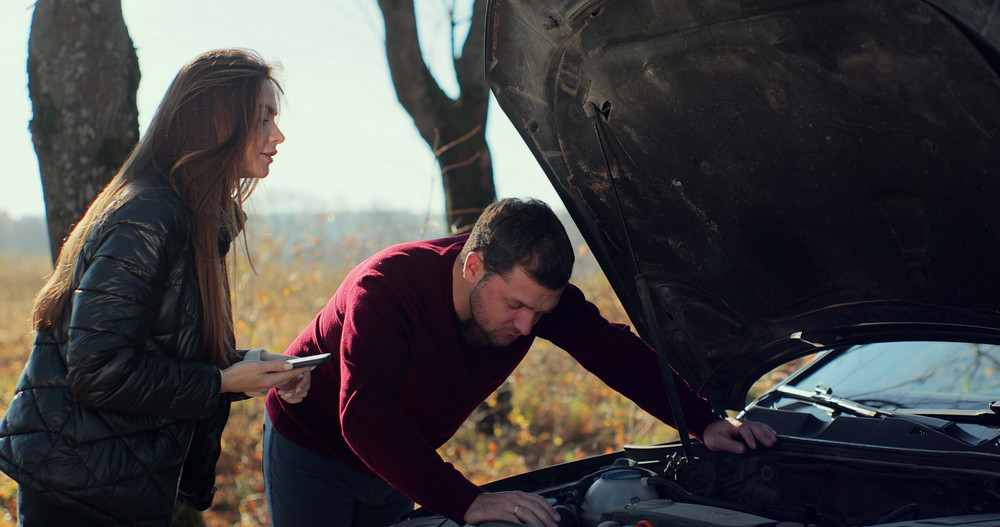
Breakdowns rarely happen at a convenient time. According to ZipDo, approximately 45% of roadside incidents requiring towing are due to vehicle breakdowns. When your car won’t start or a warning light forces you to pull over, the priority is simply getting it somewhere safe. In that moment, few drivers think about how their vehicle will be towed. Call local towing companies to get started.
For owners of all-wheel drive vehicles, though, that detail matters a great deal. AWD has become common on SUVs, crossovers, sedans, and even some sports cars, and many drivers don’t realize their vehicle needs special handling. Towing an AWD vehicle the wrong way can cause serious damage to the transmission and drivetrain, sometimes turning a minor breakdown into a major repair bill.
Understanding why AWD vehicles are different, and what proper towing looks like, helps you protect your car when you need help most. Below, we’ll explain the risks and how to make sure your vehicle is transported safely.
How All-Wheel Drive Systems Work
In a typical front-wheel or rear-wheel drive vehicle, the engine sends power to just two wheels. The other two roll freely, which means a tow truck can lift the drive wheels and let the others roll along the road without harming the drivetrain.
All-wheel drive works differently. AWD systems send power to all four wheels, either full-time or automatically as conditions change. To manage this, the vehicle uses components such as a center differential, transfer case, or electronically controlled coupling that connect the front and rear axles. These parts balance power between the wheels and allow them to turn at slightly different speeds when cornering.
That interconnected design is what gives AWD vehicles such strong traction in rain, snow, and on loose surfaces. It’s also why they can’t be treated like two-wheel drive vehicles when it comes to towing. With all four wheels linked through the drivetrain, lifting only two of them creates problems.
What Happens When an AWD Vehicle Is Towed Incorrectly?
The most common towing mistake with AWD vehicles is using a wheel-lift or hook-and-chain method that raises only the front or rear wheels. With two wheels in the air and two rolling on the pavement, the drivetrain is forced to work in a way it was never designed to handle.
The wheels on the ground turn one axle, while the lifted wheels hold the other axle still. The components connecting them, including the center differential or coupling, are forced to absorb that difference in speed for the entire trip. This creates heat and friction that can quickly break down fluids and wear internal parts.
Many automatic transmissions face an added risk. When the engine isn’t running, the transmission’s internal pump may not circulate fluid. Moving parts spinning without proper lubrication can overheat and fail. Manufacturers take this seriously. According to Subaru of America, a flatbed tow truck is the recommended method for transporting its vehicles, and its CVT and automatic models towed with wheels on the ground must stay under 20 mph and within 31 miles or transmission damage will result.
The result of improper towing can include burned clutches, damaged differentials, and failed transmissions. Because these components are among the most expensive parts of a vehicle, repairs can easily reach thousands of dollars.
Why Flatbed Towing Is the Safest Choice
The simplest way to protect an AWD vehicle is to keep all four wheels off the ground. Flatbed towing does exactly that.
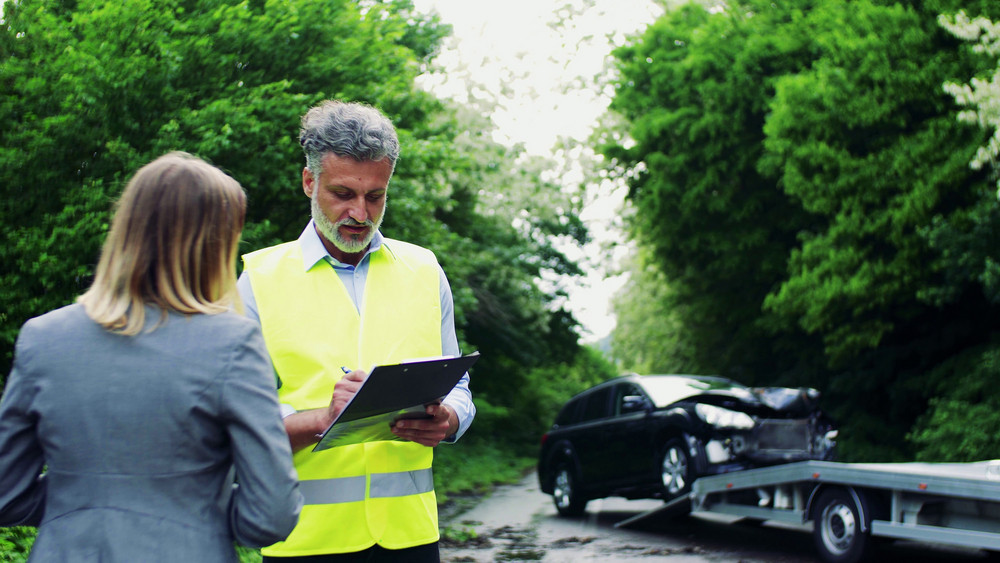
A flatbed tow truck has a deck that tilts down to form a ramp. The vehicle is carefully winched onto the deck, which is then leveled and secured for transport. Because none of the wheels are touching the road, the drivetrain doesn’t move at all during the trip. There’s no heat buildup, no strain on the differential, and no risk of transmission damage from rotation.
Flatbeds offer other advantages as well. They protect the vehicle from road debris and uneven wear, and they’re ideal for vehicles with low ground clearance, body damage, or mechanical problems that make other towing methods risky. For many owners of luxury vehicles, sports cars, and newer models, a flatbed is simply the preferred way to transport any car.
Experienced towing companies keep flatbed trucks in their fleet specifically because so many modern vehicles require them. When we respond to a call involving an AWD vehicle, a flatbed is our standard approach.
Other Situations That Call for Extra Care
AWD vehicles aren’t the only ones that need special handling. Four-wheel drive trucks and SUVs have their own towing requirements, which vary depending on whether the system is part-time or full-time and whether the transfer case can be placed in neutral.
Electric and hybrid vehicles often require flatbed transport as well, since towing with the wheels turning can generate electricity or damage drive motors. Vehicles with low clearance, aftermarket body kits, or air suspension also benefit from flatbed towing to avoid scraping and underbody damage.
A vehicle’s condition matters too. Cars with damaged wheels, locked brakes, or collision damage are often safer on a flatbed. When in doubt, a flatbed is the most reliable way to prevent additional harm.
Protect Your Vehicle With Victor’s Towing
All-wheel drive vehicles offer excellent traction and control, but their interconnected drivetrains make them vulnerable when towed the wrong way. Lifting only two wheels can overheat and damage the transmission, differentials, and other expensive components. Flatbed towing keeps all four wheels off the ground, protecting your vehicle from unnecessary wear and costly repairs.
At Victor’s Towing, our team understands the needs of AWD, 4WD, electric, and specialty vehicles. We use flatbed equipment and careful loading techniques to transport your vehicle safely, whether you’re dealing with a breakdown, an accident, or a planned move. When you need help on the road, reach out to one of the towing companies that treats your vehicle with the care it deserves.
Frequently Asked Questions
It’s generally not recommended. Towing an AWD vehicle with two wheels on the ground can force drivetrain components to spin unevenly, which may overheat and damage the transmission or differential. A flatbed is the safest option.
A flatbed tow truck is best because it keeps all four wheels off the ground, preventing any drivetrain movement during transport. Always check your owner’s manual for your vehicle’s specific requirements.
Yes. As one of the top towing companies, we use flatbed tow trucks for all-wheel drive and other vehicles that require it, and our operators load and secure each vehicle carefully to prevent damage.